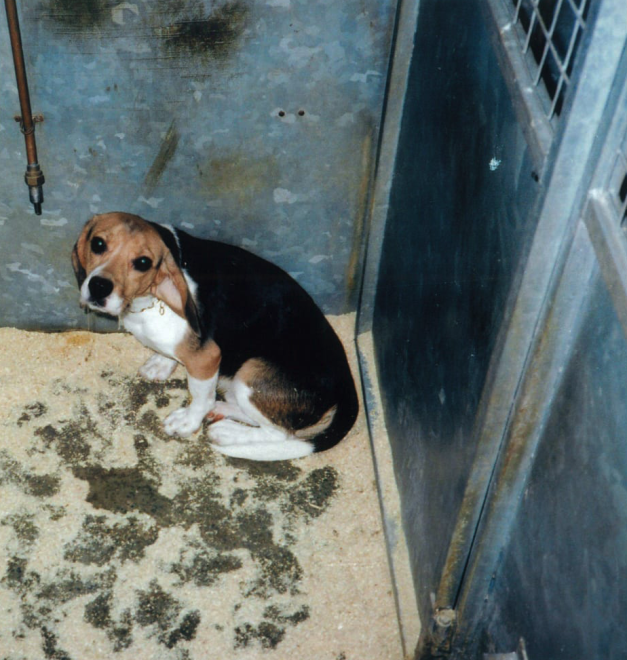
Ontario has been one of the largest users of dogs and cats in research in Canada. Between 2018 and 2024, more than 29,700 dogs and cats were used in Ontario research, with over 13,000 acquired directly through municipal pounds or the “Donated by Owner” category, according to government statistics.
Ontario law not only allows but in some cases requires municipal shelters to transfer dogs and cats to research facilities under the Animals for Research Act. The regulations set the maximum price a research facility may pay at just $6 per dog and $2 per cat. These figures have not changed since 2006, and they remain in force today.
What Bill 75 Does
In May 2026, the Ontario government passed Bill 75, amending the Animals for Research Act to prohibit certain “invasive medical research” on dogs and cats — a historic milestone that we have been working tirelessly toward for 34 years. The legislation also prohibits the breeding of dogs and cats specifically for research in Ontario supply facilities, and substantially increases penalties for violations. The implementing regulations were finalized in June 2026 and come into force on January 1, 2027.
What Bill 75 Doesn’t Do
While this progress is real and significant, the law leaves important gaps that our community should understand:
- The pound-to-research pipeline remains open. Dogs and cats can still be transferred from municipal shelters and pounds into research facilities, where they may be used for procedures that fall outside the “invasive medical research” prohibition — including those permitted under the “veterinary purpose” exception. Under the regulations, this exception covers research intended to advance the scientific understanding of animal health or veterinary medicine, as well as research conducted as part of a veterinary or veterinary technology program at a post-secondary institution. In practice, this means a pound-seized dog or cat could be subjected to invasive procedures so long as they are framed within a veterinary or academic context.
- No mandatory re-homing requirement. The regulations do not require that dogs and cats be re-homed after research concludes.
- No independent oversight. Animal Care Committees — the bodies that approve research involving animals — still lack truly independent oversight, leaving them vulnerable to institutional conflicts of interest.
- Out-of-province sourcing continues. The regulations do not close the door on animals bred outside Ontario being brought into the province for use in research facilities.
Our Campaign Goal
We are focusing our advocacy on one clear, achievable ask: close the pound-to-research pipeline. No companion animal that enters a municipal shelter or pound should be transferable to a research facility for any purpose.
Support Our Campaign with a One-Time or Monthly Donation
Please take the time to consider becoming a donor. Your donation allows us to continue this impactful campaign, to raise public awareness, and mobilize support for animal protections through strategic partnerships.
Educate yourself and protect your pets
- Click here to read more about our No Pets in Research Campaign
Last updated: July 10, 2026