Both the Ontario Federation of Anglers and Hunters (OFAH), and the Ontario Ministry of Natural Resources (MNR), have their respective headquarters in Peterborough, making the lovely community a symbolic heart of Ontario’s wildlife bureaucracy and hunting advocacy. Thus, Judy Malone’s article in the May 14 edition of The Peterborough Examiner served as a timely, appropriate read. “After a first-of-its-kind population density survey,” she wrote, “the province-wide estimate has now dropped from about 100,000 to 75,000 bears. And at the rate we are going, that number is unlikely to hold for long. Data collected over four years is showing up to an astounding 40 per cent decline in key areas of northern Ontario, where most bears live, and where they are heavily hunted.”
The spring bear hunt was cancelled in 1999 after sustained efforts by animal protection advocates, primarily on humane grounds. In 2013, the Liberal government reinstated the hunt as a two-year “pilot project,” which has since been repeatedly expanded, placing increasing numbers of bears at risk. These expansions have occurred despite ongoing concerns that regulations intended to protect females with cubs cannot reliably prevent orphaning or the mistaken killing of mothers. Both the initial cancellation, the later reinstatement — which drew strong support from regions where the Liberals had weaker electoral backing—and subsequent expansions of the hunt reflect politically driven decisions.
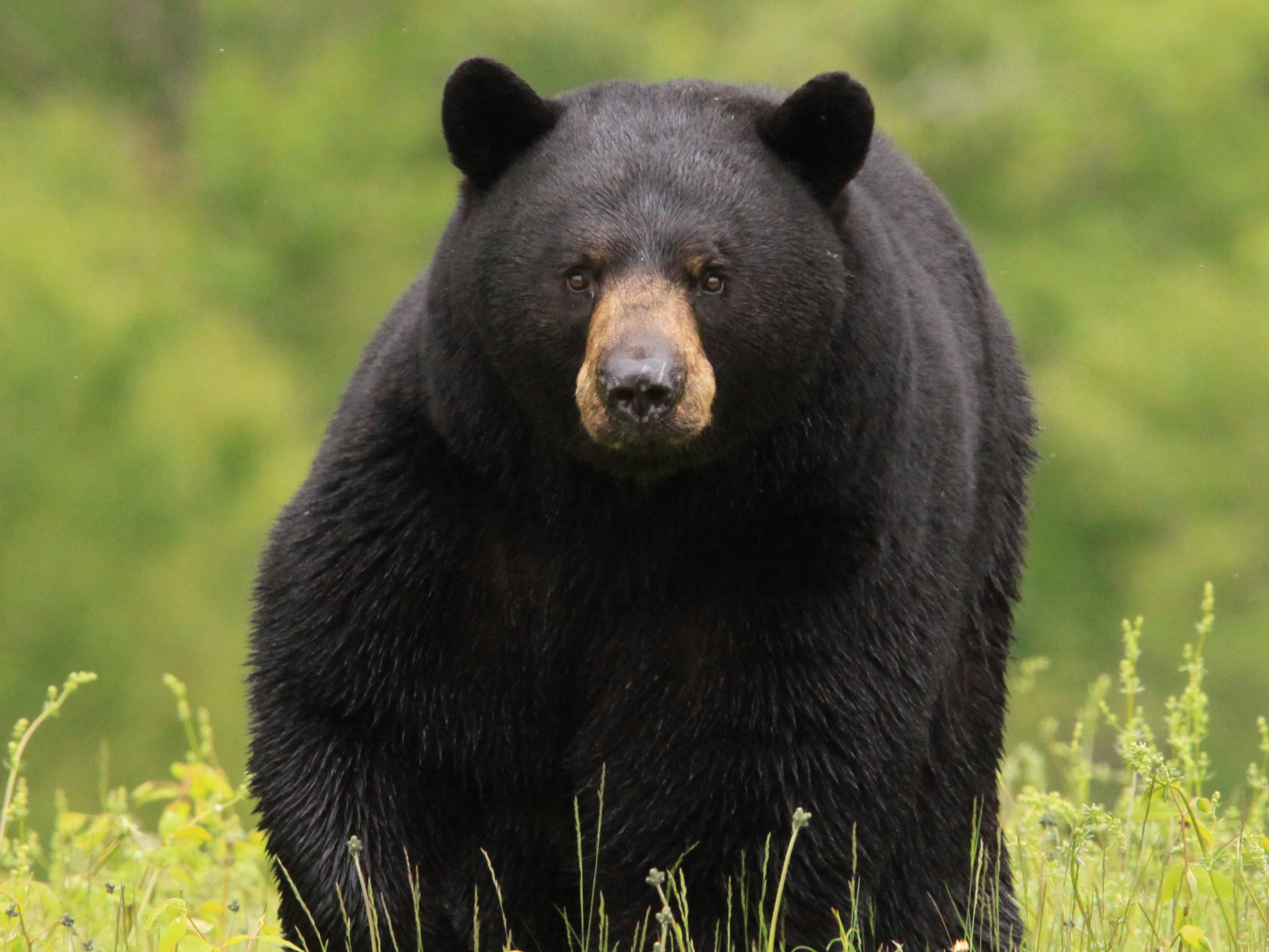
The concerns of biologists, conservationists, and humanitarians alike were that the black bear—only one of the world’s eight bear species not currently listed as threatened or endangered—are still vulnerable because of their potentially long lifespan and relatively low reproductive rate.
Meanwhile, on May 14, retired regional moose biologist Alan Bisset, formerly of the MNR, published an opinion piece on the Sudbury.com website sharply criticizing the province’s management of Ontario’s moose population, which he described as being in severe decline. Indeed, the species is in trouble across much of its continental range. They are found only in Canada, the U.S., and Mexico, where the entire population is listed as endangered.
Malone’s piece was straightforward reportage — a description of an emerging situation based on new population data. Bisset’s was something different: an insider’s critique of the culture, competency, and institutional inertia within Ontario’s wildlife-management system. Yet despite their different perspectives and tones, both articles pointed toward similar conclusions: declining populations, reactive rather than proactive policies, and a troubling reluctance to confront uncomfortable evidence.
For years this province has repeatedly expanded hunting opportunities, added species to the kill list (with the Sandhill Crane next in line) and always reassured the public that populations remained “abundant” and “sustainable.” Such confidence reflects not merely politics or lobbying pressure from organizations like the OFAH, but something deeper in human nature itself: our species evolved as highly effective predators, capable not only of killing, but of rationalizing killing.
No species in Earth’s history has matched humanity in its combined capacity to exterminate other species, kill members of its own kind, and globally alter and destroy entire ecosystems. Many predators kill. What distinguishes us is the extent to which technology, ideology, and organized systems of exploitation have amplified that capacity vastly beyond immediate survival needs. Arguably, that propensity served survival value in primal times and was therefore selected for evolutionarily, but technology and organized systems of exploitation have amplified our collective deadliness to the point where biodiversity itself now faces its greatest crisis since the extinction of the dinosaurs — and that was a cosmic event.
However, compassion, restraint, cooperation, and moral reflection are also part of human nature, imparting selective advantages of their own. They too were selected for the degree they were heritable traits. Indeed, our extraordinary ability to consciously regulate our own behaviour appears to be the most uniquely human trait of all. And that, put simply, is why we believe wildlife management should involve more than simply treating animals as harvestable resources, valued only at the level of populations or species while disregarding suffering and disruption at the level of individual living creatures.
But Bisset illustrates the problem we face, stating: “Although not directly related to the main theme of this article, Graydon Smith was replaced by Mike Harris Jr. as minister [of Natural Resources]. This has a bearing on both the moose and black bear management programs. When he was premier, Harris Jr.’s father shut down the spring bear hunt for purely political reasons and without consulting anyone responsible for managing bears.”
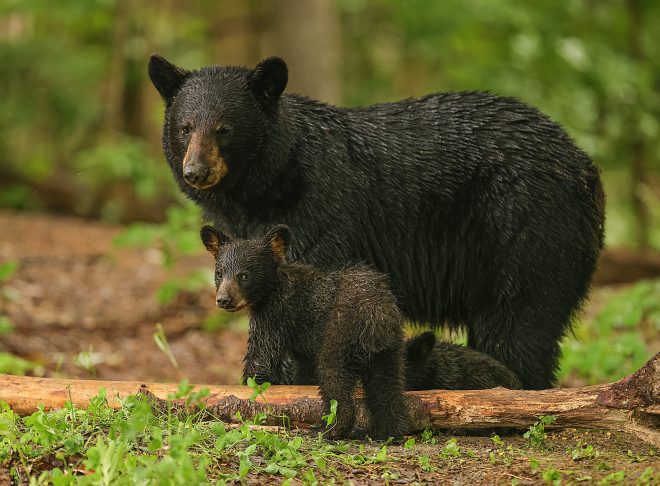
Those “purely political reasons” were because spring bear hunting inevitably causes the orphaning of dependent cubs when females with cubs are shot. Some degree of that dependency extends into the fall hunting season. Those of us who oppose the hunt, not only because of conservation concerns but also on humane grounds, distinguish between suffering that is an unavoidable part of existence for sentient beings and suffering humans knowingly choose to impose.
But choices made in response to compassion-driven concerns about cruelty are no more or less “political” than those based on economic concerns, prioritizing hunters’ ability to kill bears, tradition, or various other management rationales. They are all political, — exactly like our concerns about animal welfare, conservation, and ecological constraint.
The two human traits I value most are logic—as based on empirical evidence—and compassion, which combines the ideals of love and altruism. Valuing logic puts me in harmony with Bisset on the need for scientifically derived knowledge, but science cannot address how much suffering we can acceptably impose upon others, whether recreational killing is morally justified, what degree of risk to the survival of a wildlife population is socially acceptable, or what degree of value society should place on the individual animal.
Both sides may be capable of presenting moral preferences as objective facts, but we try not to. We seek dialogue. Yet the reality is that many policymakers and the constituency they most strongly identify with—symbolized by the OFAH—emerge from the same consumptive wildlife culture and therefore often share similar assumptions about what wildlife is for, how it should be managed, and which public values deserve priority.
As a result, empirical claims are overstated, uncertainty minimized, and ethical choices cloaked with the mantle of scientific expertise, although science can only inform, not manage. The “management” that allows the killing to continue is not seen as contributing to wildlife decline, only the way that management is conducted. Managing people so that fewer animals are killed at all is simply not considered.
Bisset states: “An example was delaying the season opening for moose about 2008 to reduce the harvest. Season manipulation (especially after rut and before freeze up) has never worked. Instead of using reduced seasons in an attempt to reduce harvest, archery seasons were increased from one to three weeks during the rut when moose are most vulnerable to hunting, and from which the gun hunt was removed to reduce the harvest in the first place. I’m not sure I follow the logic of that strategy.”
But he does understand the strategy because he next says, “Of course, this is to provide more killing opportunities (tags) because archery success is lower. Wounding loss is expected to be higher, but MNR isn’t assessing that from either guns or archery.”
Exactly so, and he continues: “It is an inconvenient truth that some animals are shot and lost. Because wounded animals must come out of the sustainable harvest, having that information could reduce tags by four per cent or more, based on historic estimates.”
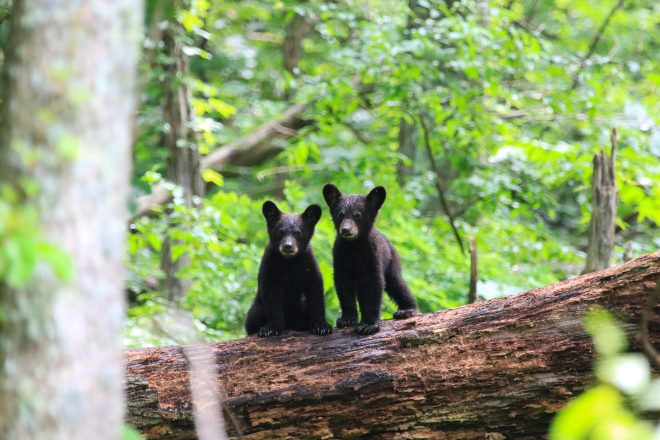
If we were to bring compassion into the picture and base management on science, the conclusion would be that no moose or bears should be shot for sport because it causes the wounding of an unknowable number of animals (as Bisset acknowledges). Even so, animals that suffer and die slowly from wounds also fail to breed, and that should be factored into models determining how many can be killed.
And as for conservation, no species already experiencing declines beyond ordinary population fluctuations and natural cycles should automatically be assumed to be sustainably managed.
Add to that the many unknowns associated with the sort of mega-projects favoured by Premier Doug Ford and Prime Minister Mark Carney—projects often advanced by weakening or bypassing environmental assessment requirements whenever they are declared “necessary”—and the outlook for already stressed wildlife populations becomes increasingly bleak.
When a population is going down, apply the precautionary principle and don’t add to the death rate.
